
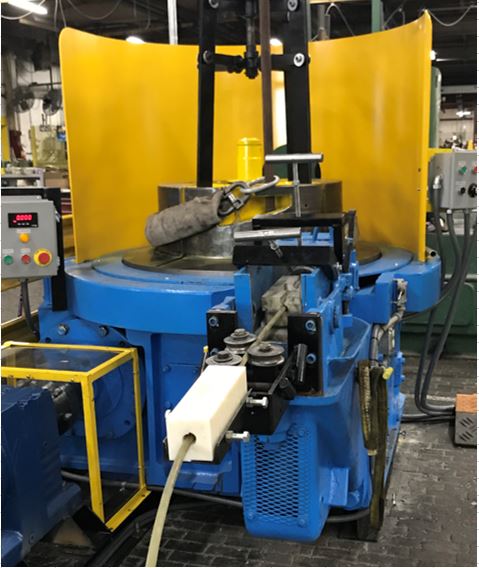
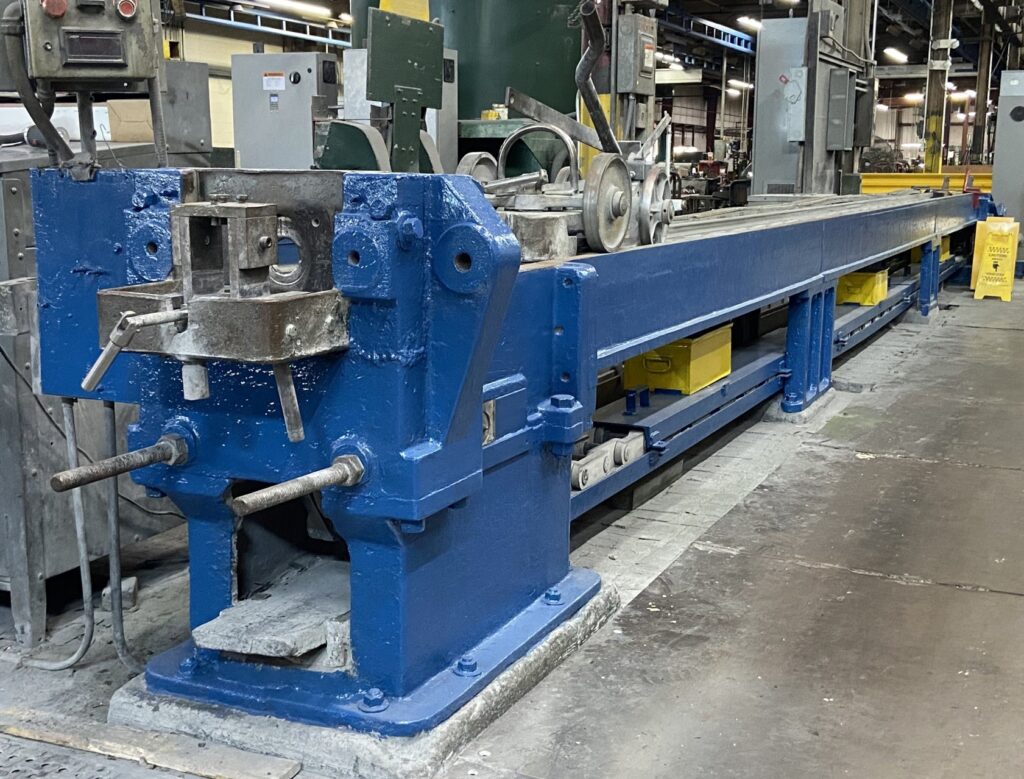
In the competitive landscape of modern manufacturing, the pressure to reduce costs while increasing component performance has never been higher. While traditional hot-rolling processes provide the raw materials for global infrastructure, they often fall short when the application demands extreme precision, specialized shapes, or superior strength.
Enter Cold Drawing. By processing metal at room temperature, manufacturers can unlock physical properties and dimensional accuracies that are simply unattainable through thermal shaping alone.
In this guide, we explore the seven core benefits of cold drawing and why this process is often the most cost-effective choice for long-term production.
1. Achieving Consistent Dimensional Tolerances
In high-speed assembly lines, even a deviation of a few thousandths of an inch can lead to catastrophic machine failure or rejected batches. Cold drawing is a “near-net-shape” process.
Unlike hot rolling, where the metal expands and contracts significantly as it cools (making precise measurements a moving target), cold drawing happens at ambient temperatures. This allows for:
- Radial Accuracy: Consistent diameters across the entire length of a bar.
- Reduced “Play”: Parts fit into housings and bearings with predictable friction every single time.
2. Drastic Reduction in Machining Time
Time is the most expensive variable in any machine shop. When you start with a cold-drawn profile, the material is already incredibly close to its final dimensions.
If you are manufacturing a hexagonal bolt, starting with a cold-drawn hexagonal bar means you don’t have to mill the flats. You are essentially skipping the “roughing” stage of machining. This leads to:
- Lower Tool Wear: Your CNC bits and lathes stay sharp longer because they are removing less bulk material.
- Higher Throughput: You can produce more units per hour, directly increasing your facility’s capacity.
3. Lowering Costs Through Reduced Scrap Rates
Material waste is a silent profit killer. When you machine a part down from a standard oversized hot-rolled bar, a significant percentage of your paid-for material ends up as “chips” on the floor.
Cold drawing minimizes this waste. Because the input material is pulled through a die into the near net shape required, therefor reducing scrap loss. In high-volume production, a 10% reduction in scrap can equal tens of thousands of dollars in annual savings.
4. Enhanced Mechanical Properties (Strain Hardening)
One of the most significant “hidden” benefits of cold drawing is the improvement in the metal’s physical strength. As the metal is forced through the die, its crystal structure is compressed and reorganized—a process known as work hardening.
- Yield Strength: Often increases by 10% to 20% compared to the base material.
- Tensile Strength: The overall durability of the part is heightened without the need for expensive alloying elements.
- Hardness: The surface becomes naturally more resistant to wear and indentation.
5. Optimized Grain Structure for Fatigue Resistance
To understand the quality of a metal, you must look at the microscopic level. During cold drawing, the internal “grains” of the metal are elongated in the direction of the draw.
This creates unidirectional grain flow. Much like the grain in a piece of wood, metal is strongest when the stress is applied along the grain line. This makes cold-drawn parts exceptionally resistant to vibration, cyclic loading, and fatigue—ideal for aerospace, energy and various other markets.
6. Smoother Surface Finishes and Aesthetics
Hot-rolled steel is notorious for “mill scale”—a rough, oxidized crust that forms during cooling. Cold drawing eliminates this surface imperfection.
The pressure of the die is crucial for brightening and smoothing for a scale-free finish. This provides:
- Better Paint/Coating Adhesion: No need for aggressive sandblasting or chemical cleaning.
- Reduced Friction: Ideal for parts that move against one another.
- Ready-to-Ship Appearance: Many cold-drawn parts require no aesthetic secondary processing at all.
7. Shape Versatility and Custom Profiles
While round bars are common, cold drawing allows for incredible geometric freedom. From simple squares and hexagons to complex “spline” shapes and custom “D-sections,” cold drawing can produce profiles that would be nearly impossible or prohibitively expensive to machine from scratch.
Applications: Where Cold Drawing Shines
To see these benefits in action, we look to the industries that rely on them most:
- Automotive: Steering components and drive shafts that require high torque resistance.
- Hydraulics: Cylinder rods that need perfect straightness and smooth surfaces to maintain seals.
- Fasteners: High-strength bolts that must maintain thread integrity under pressure.
- Medical: Surgical instruments and implants require inherent strength, improved surface finish, and dimensional consistency that increasing durability.
Frequently Asked Questions (FAQ)
Is cold drawing more expensive than hot rolling?
The initial “per-pound” cost of cold-drawn material is typically higher than hot-rolled. However, when you factor in the savings from reduced machining time, lower scrap rates, and omitted heat treatments, the total cost per finished part is usually lower.
Does cold drawing work on all metals?
While most commonly used for carbon and alloy steels, cold drawing is also highly effective for stainless steel and copper alloys. However, cold drawing is less effective when it comes to aluminum due to its low tensile strength.
Can cold drawing achieve “Zero Tolerance”?
While no process is truly “zero,” cold drawing achieves some of the tightest tolerances in the industry. Rathbone’s standard tolerance is +/- 0.002” but it is possible to reach a tighter tolerance depending on the material, complexity of the shape, and size.
Conclusion: Making the Right Choice for Your Project
Cold drawing is more than just a shaping process; it is a value-added service that improves the chemistry, geometry, and economy of your metal components. By choosing cold-drawn profiles, you are choosing a more efficient, stronger, and more precise future for your manufacturing line.
Quick Comparison
| Feature | Hot Rolled | Cold Drawn |
| Tolerance | Lower Precision | High Precision (+/- 0.002″) |
| Surface | Rough / Scale | Smooth / Polished |
| Strength | Standard | Enhanced (Work Hardened) |
| Machinability | Moderate | Superior |
Ready to Optimize Your Production? Don’t let inconsistent tolerances or excessive machining time eat into your margins. Our team of experts is ready to help you determine if a custom cold-drawn profile is the right fit for your next project.